Anesthesia for Esophagogastroduodenoscopy (EGD) Without Sedation
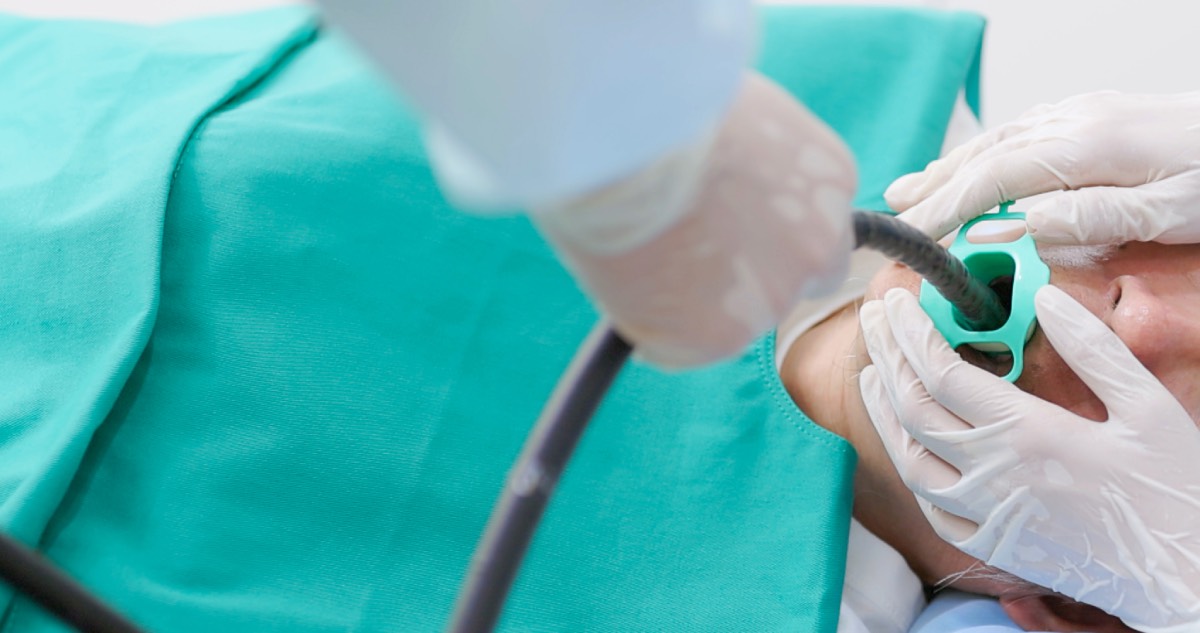
Esophagogastroduodenoscopy (EGD), also known as upper endoscopy, is a commonly performed procedure used to evaluate the esophagus, stomach, and duodenum….
Read MoreEsophagogastroduodenoscopy (EGD), also known as upper endoscopy, is a commonly performed procedure used to evaluate the esophagus, stomach, and duodenum….
Read MoreMechanical ventilation is essential for surgery under general anesthesia, but it introduces cyclical organ motion that complicates surgical precision and…
Read MoreDespite the many advancements in techniques and formulations for regional and local anesthesia, a key area for improvement remains the…
Read MoreEfficient anesthesia programs provide a strategic advantage for surgical facilities, with direct benefits on clinical outcomes, operational performance, and physician…
Read MoreIntraoperative hemodynamic monitoring can be categorized as the invasive or noninvasive monitoring of blood pressure, heart rate, and oxygenation. Noninvasive…
Read MoreClinical research in anesthesia is essential for advancing patient safety, improving perioperative care, and developing new techniques and medications. Since…
Read MoreGlucagon-like peptide-1 (GLP-1) receptor agonists have transformed the management of type 2 diabetes and, more recently, obesity. Mimicking the action…
Read MoreThe surgical timeout is a standardized pause taken before an operation begins that verifies critical patient and procedural information. It…
Read MoreNerve block injections are widely leveraged in anesthesia for surgical procedures, chronic pain management, and postoperative analgesia. Needle design is…
Read MoreWhile most clinical settings rely heavily on intravenous, inhalational, and regional anesthesia, anesthesiology also includes a number of less common routes that, though rarely used, serve specific and sometimes critical purposes.
Read More