For Informational Purposes Only
The articles below are provided for general educational purposes only and are not a substitute for professional medical advice. Please read our full medical disclaimer before relying on any information found here.
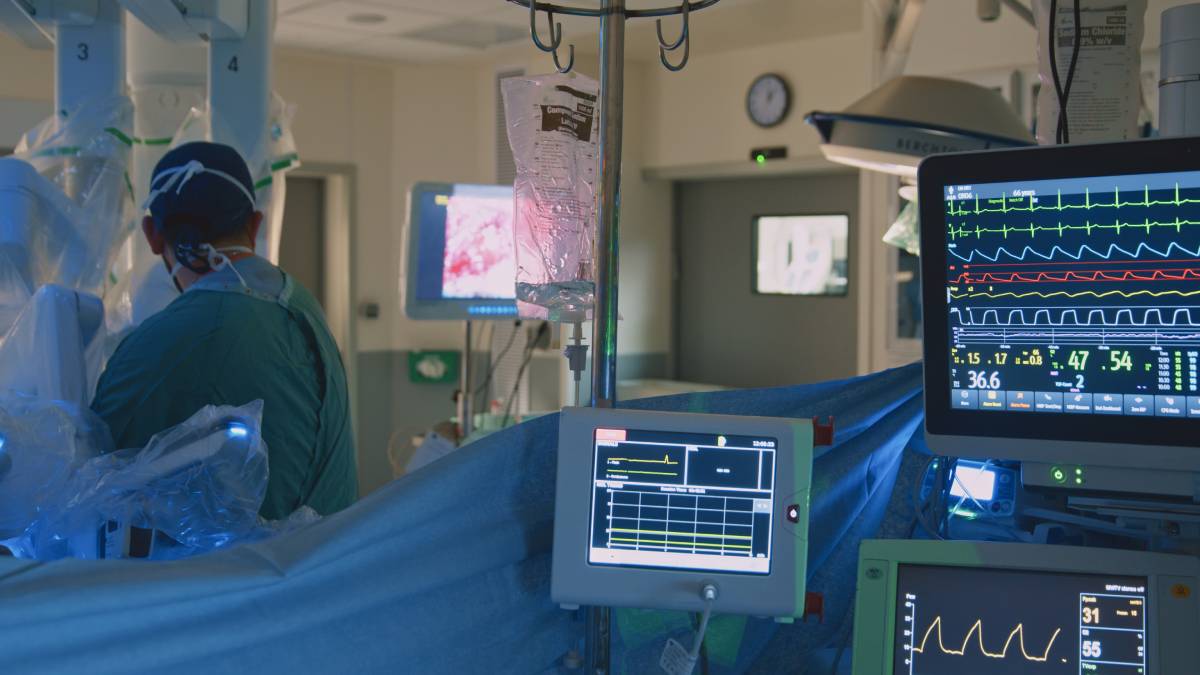
Intraoperative hemodynamic monitoring can be categorized as the invasive or noninvasive monitoring of blood pressure, heart rate, and oxygenation. Non
Read More →
Clinical research in anesthesia is essential for advancing patient safety, improving perioperative care, and developing new techniques and medications
Read More →
Glucagon-like peptide-1 (GLP-1) receptor agonists have transformed the management of type 2 diabetes and, more recently, obesity. Mimicking the action
Read More →
The surgical timeout is a standardized pause taken before an operation begins that verifies critical patient and procedural information. It…
Read More →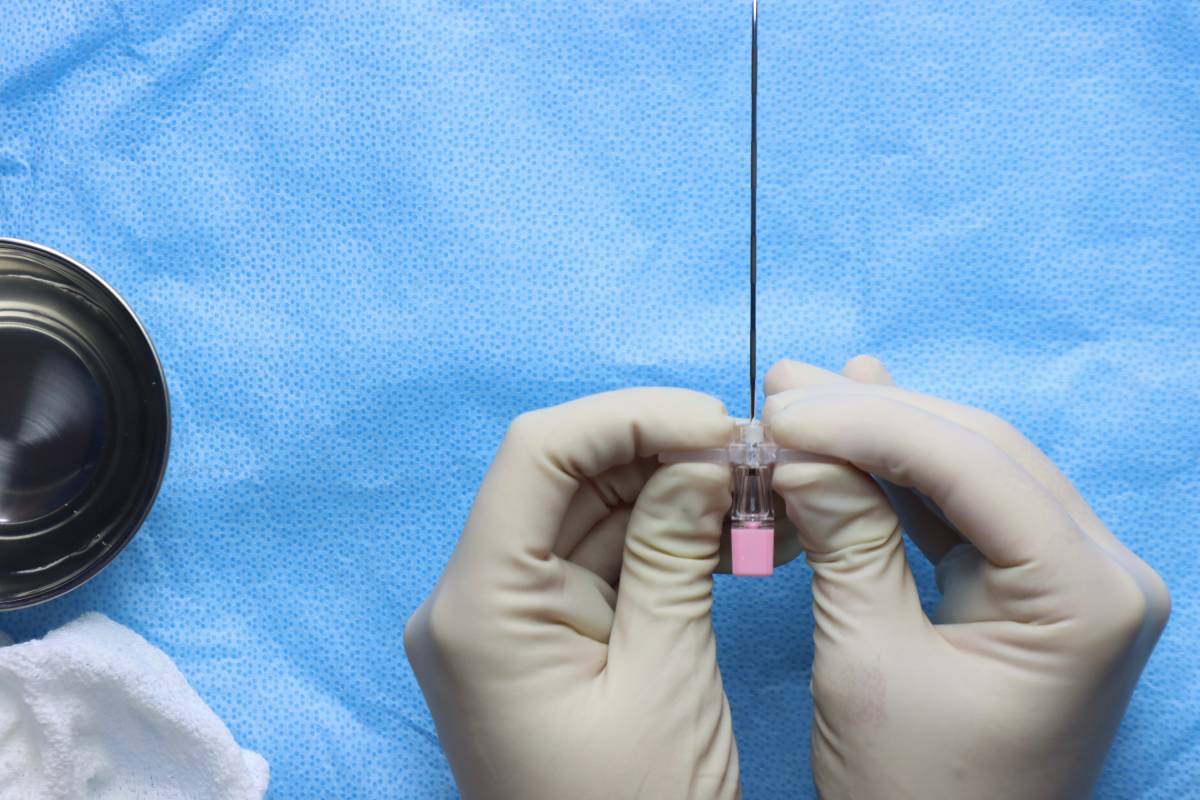
Nerve block injections are widely leveraged in anesthesia for surgical procedures, chronic pain management, and postoperative analgesia. Needle design
Read More →
While most clinical settings rely heavily on intravenous, inhalational, and regional anesthesia, anesthesiology also includes a number of less common
Read More →
Residency programs are an essential part of graduate medical education (GME), providing newly graduated physicians with hands-on, supervised training
Read More →
Introduced as a response to the ongoing opioid crisis, the Medication Access and Training Expansion (MATE) Act formalizes the need…
Read More →
The field of surgery continues to evolve, with increasing emphasis on surgeon efficiency and anesthetic optimization to enhance patient outcomes….
Read More →