For Informational Purposes Only
The articles below are provided for general educational purposes only and are not a substitute for professional medical advice. Please read our full medical disclaimer before relying on any information found here.

Epidural anesthesia, a form of neuraxial anesthesia, is a cornerstone of both postoperative and labor pain management. It is frequently utilized for
Read More →
The Controlled Substances Act (CSA) establishes five schedules for drug control based on a substance’s medical utility, safety profile, and potential
Read More →
Because many chronic pain conditions remain difficult to treat with existing therapies, researchers have begun exploring the potential use of gene the
Read More →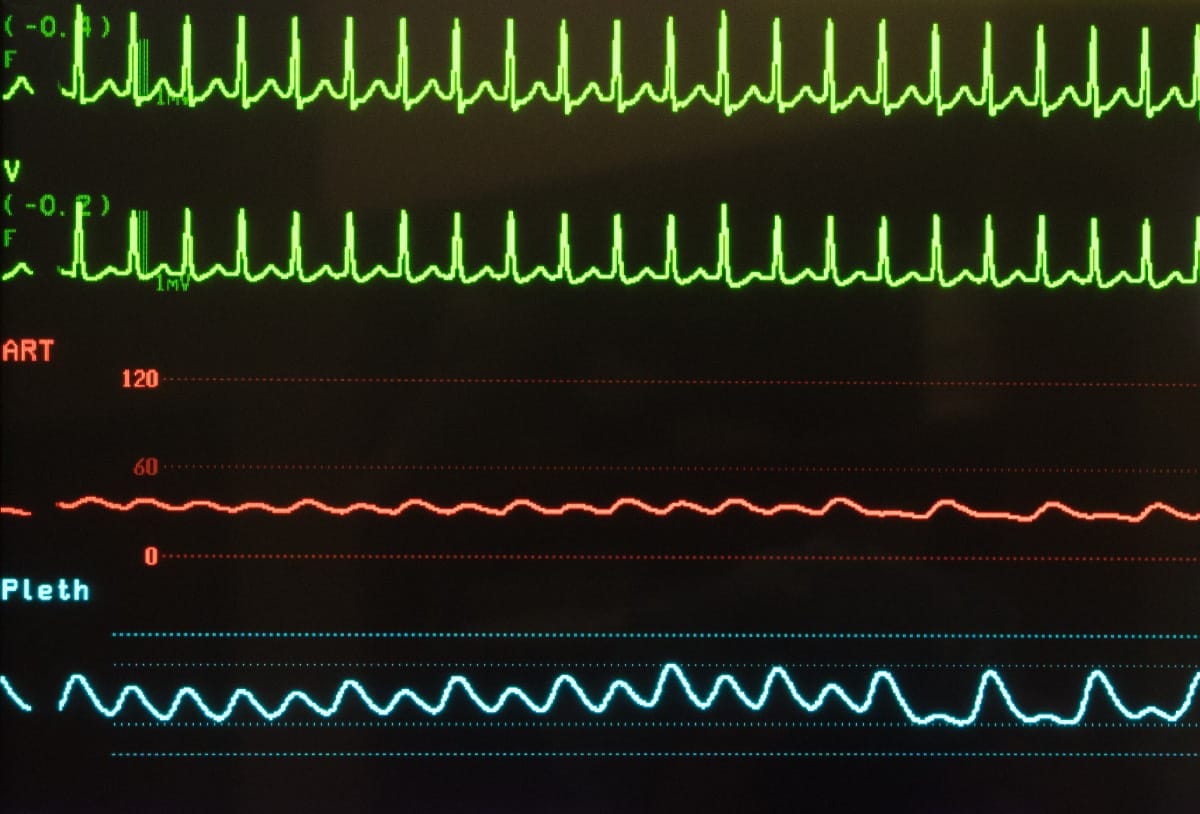
Tachycardia is defined as a heart rate greater than 100 beats per minute in adults. It is commonly encountered during the perioperative period and…
Read More →
Esophagogastroduodenoscopy (EGD), also known as upper endoscopy, is a commonly performed procedure used to evaluate the esophagus, stomach, and duoden
Read More →
Mechanical ventilation is essential for surgery under general anesthesia, but it introduces cyclical organ motion that complicates surgical precision
Read More →
Despite the many advancements in techniques and formulations for regional and local anesthesia, a key area for improvement remains the…
Read More →
Efficient anesthesia programs provide a strategic advantage for surgical facilities, with direct benefits on clinical outcomes, operational performanc
Read More →
Intraoperative hemodynamic monitoring can be categorized as the invasive or noninvasive monitoring of blood pressure, heart rate, and oxygenation. Non
Read More →
Clinical research in anesthesia is essential for advancing patient safety, improving perioperative care, and developing new techniques and medications
Read More →