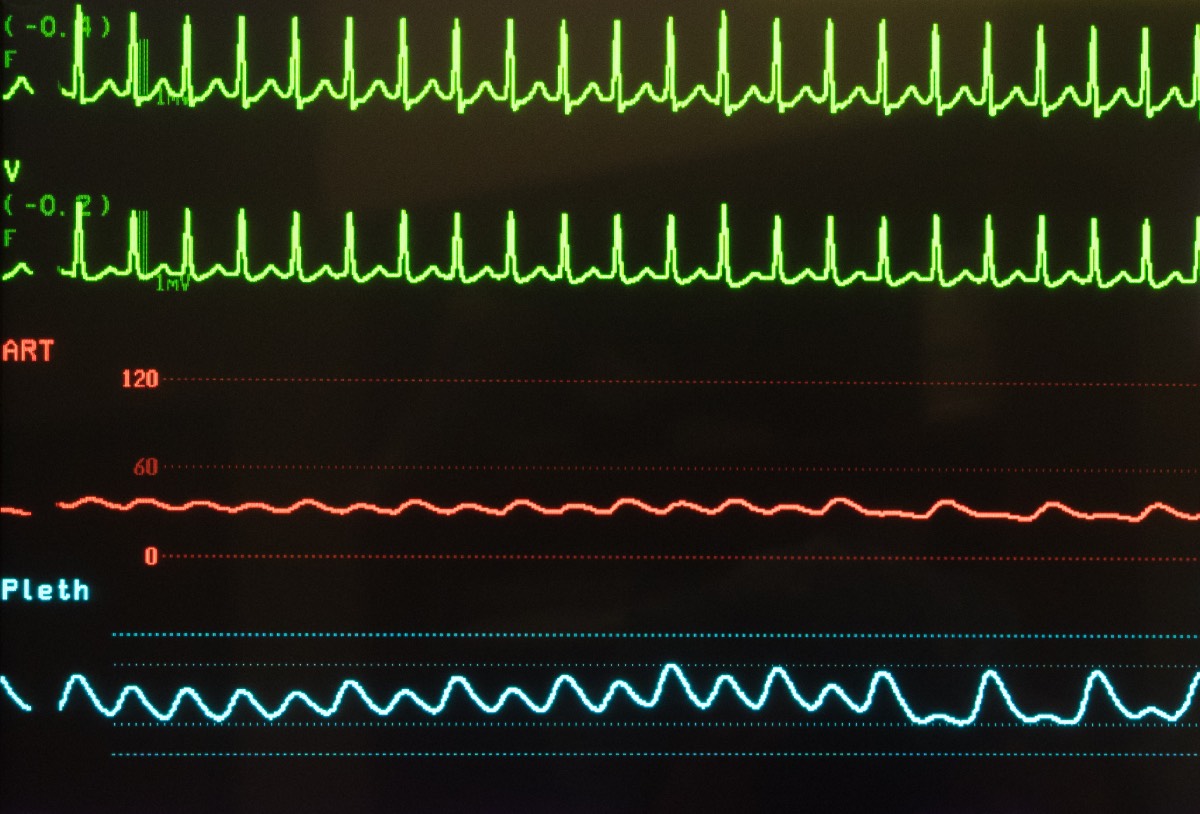
Tachycardia is defined as a heart rate greater than 100 beats per minute in adults. It is commonly encountered during the perioperative period and may be a normal response to surgical stress, the depth of anesthesia, or an underlying medical condition. Tachycardia requires careful evaluation because it can reduce diastolic filling time, increase myocardial oxygen demand, and cause hemodynamic instability, especially in patients with limited cardiac reserve. In the perioperative setting, tachycardia is a clinical sign that should trigger an assessment of patient status and potential reversible causes (1).
Common causes of perioperative tachycardia include hypovolemia, pain, anxiety, hypoxia, hypercarbia, anemia, fever, medication effects, and primary cardiac dysrhythmias. Hypovolemia is one of the most frequent contributors, especially during procedures involving blood loss or inadequate fluid replacement. Decreased intravascular volume leads to sympathetic activation and compensatory tachycardia in an effort to maintain cardiac output. Similarly, inadequate anesthetic depth and surgical stimulation may trigger catecholamine release, resulting in tachycardia and hypertension. Pain and emergence from anesthesia may also increase sympathetic tone, exacerbating tachycardia and increasing myocardial oxygen consumption (1).
When evaluating perioperative tachycardia, respiratory causes must also be considered. Hypoxia and hypercarbia stimulate peripheral chemoreceptors, which increases sympathetic nervous system activity and often produces tachycardia as an early indicator of respiratory compromise. Intraoperative causes may include airway obstruction, inadequate ventilation, bronchospasm, pulmonary embolism, or pneumothorax. Promptly identifying and correcting oxygenation and ventilation abnormalities is essential because untreated hypoxia can quickly lead to hemodynamic instability and cardiac complications (2).
Medication-related factors also frequently contribute to perioperative tachycardia. Anticholinergic medications, such as atropine, glycopyrrolate, beta-agonists, ketamine, and sympathomimetic vasopressors, may increase heart rate by directly or indirectly stimulating the sympathetic nervous system. Withdrawal of chronic beta-blocker therapy may also result in rebound tachycardia and increased perioperative cardiovascular risk. Systemic conditions such as fever, sepsis, anemia, and thyroid dysfunction should also be considered, particularly during prolonged procedures or in critically ill patients. Correcting these reversible causes often resolves tachycardia without the need for antiarrhythmic therapy (3).
Pathological tachyarrhythmias may occur during the perioperative period. These arrhythmias include atrial fibrillation, supraventricular tachycardia, and ventricular tachycardia. These arrhythmias may be caused by electrolyte abnormalities, myocardial ischemia, structural heart disease, or inherited arrhythmogenic syndromes. Electrolyte imbalances involving potassium, magnesium, and calcium are particularly common in surgical patients and can lead to tachyarrhythmias. Continuous electrocardiographic monitoring and evaluation of hemodynamic status are essential for differentiating compensatory sinus tachycardia from more serious dysrhythmias that require immediate intervention (2).
The management of perioperative tachycardia begins with assessment of hemodynamic stability and identification of the underlying etiology. Initial evaluation should include assessment of intravascular volume status, oxygenation, ventilation, anesthetic depth, and adequacy of analgesia. In many cases, tachycardia resolves following fluid resuscitation, improved pain control, correction of hypoxia or hypercarbia, and/or treatment of contributing factors such as anemia or fever. When tachycardia persists or results in hemodynamic compromise, pharmacologic therapy may be indicated. Beta-blockers, including esmolol or metoprolol, are commonly used for heart rate control when sympathetic overactivity is suspected. Depending on the underlying rhythm and clinical context, calcium channel blockers or amiodarone may also be appropriate (4). In patients who develop hemodynamic instability, urgent synchronized cardioversion may be required. Prompt recognition, systematic evaluation, and targeted treatment are essential to minimize perioperative cardiovascular complications and optimize patient outcomes.
References
- Mahajan A. Cardiac dysrhythmias: understanding mechanisms, drug treatments, and novel therapies. Adv Anesth. 2018;36(1):181-199. doi:10.1016/j.aan.2018.07.008
- Mani A, et al. Perioperative management of hereditary arrhythmogenic syndromes. Br J Anaesth. 2012;108(5):730-744. doi:10.1093/bja/aes105
- Weingarten TN, et al. Anesthetic management of patients with Brugada syndrome: a case series and literature review. Can J Anaesth. 2011;58(9):824-836. doi:10.1007/s12630-011-9546-y
- Zarbock A, et al. Intra-operative haemodynamic monitoring and management of adults having noncardiac surgery. Eur J Anaesthesiol. 2025;42(6):543-556. doi:10.1097/EJA.0000000000002174